Here's what I hear every week: it's 2 a.m., their back's locked up again, and they have no idea if tomorrow will be better or worse.
Most of the people I work with have been dealing with this for months, maybe years, and often they didn't even do anything crazy. Their back seizes up or the pain shoots down their leg again, and their head's already going: is this the disc again, and how long am I out this time?
So they do what they always do, stretching it, resting it, trying a few YouTube exercises and hoping for the best, without ever really knowing why it settles one time and gets worse the next.
Sound familiar? Here's how people I've worked with put it:
"I'm definitely like kind of just like functioning in fear right now because i just i don't have a clear goal of what's gonna get this better"
"It's just the lingering pain and stiffness, and then when it is gone, it's the fear it's going to come back."
"Flare up. More sciatica that will make me depressed / overthinking it and that in turn makes it worse"
Here's what's actually keeping your flares going
It's rarely about effort. Most people are working really hard at the wrong thing, and once that stops, things have a real chance to settle.
And here's the part nobody tells you: every flare that gets pushed through without a plan teaches the nervous system to protect harder next time, which is how a 3-day flare quietly turns into a 3-month one.
What actually helps: your Relief Direction
Most people with recurring back pain have a long list of things that make it worse, but almost nobody has something that reliably helps it feel better.
That's what your Relief Direction is: out of a few simple positions, it's the one that matches your back, and for many people it starts to ease things within minutes.
It's built on the same directional preference approach I trained in as a McKenzie-certified physiotherapist, which physios use with back pain around the world.
Here's why that matters so much. When your symptoms feel random, your nervous system stays on high alert and every move feels like a gamble. Pain isn't a damage meter, it's a protective signal, and it tends to stay switched on when you don't know what's coming next.
Once you know your Relief Direction, you've got a reset button you can use in the morning, in the middle of the workday, or at 3 a.m. when you can't sleep, and pairing it with slow breathing tells your nervous system it can finally stand down.
That's the real shift: you stop guessing and start making decisions.

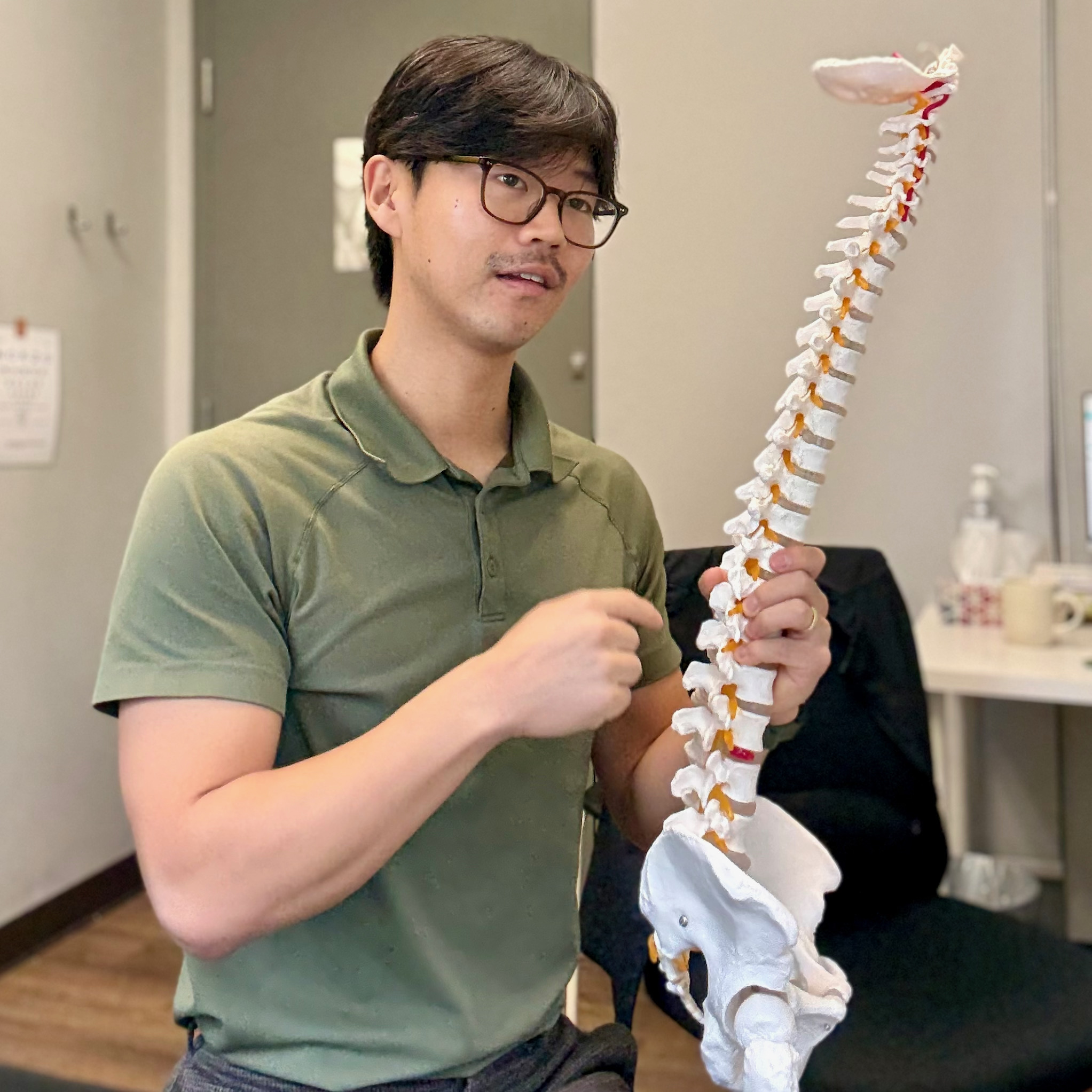
Hey, I'm Caleb.
Registered Physiotherapist, McKenzie Certified, and Back Pain & Sciatica Specialist
I wasn't always good at this. Early on, I was one of those PTs who chased symptoms with dry needling, joint mobs and whatever calmed things down that day. People walked out feeling better, and then the next flare would hit.
I could give them temporary relief, but what I couldn't give them was their normal life back without the fear of another flare-up.
So I changed how I work. Instead of chasing symptoms, I find what calms each person's back down and teach them how to use it on their own.
Since then I've helped 300+ people with back pain and sciatica get back to training, from lifters and runners to cyclists, soccer players and CrossFit athletes, including people who'd been told to "just manage it."
I train too. I run, ride and lift, so I get that when your back takes the gym away, it's not just the pain, it's part of who you are.
This is the same process I use with my clients when they flare up, and now you can do it yourself.
What's inside the Flare Up Fix
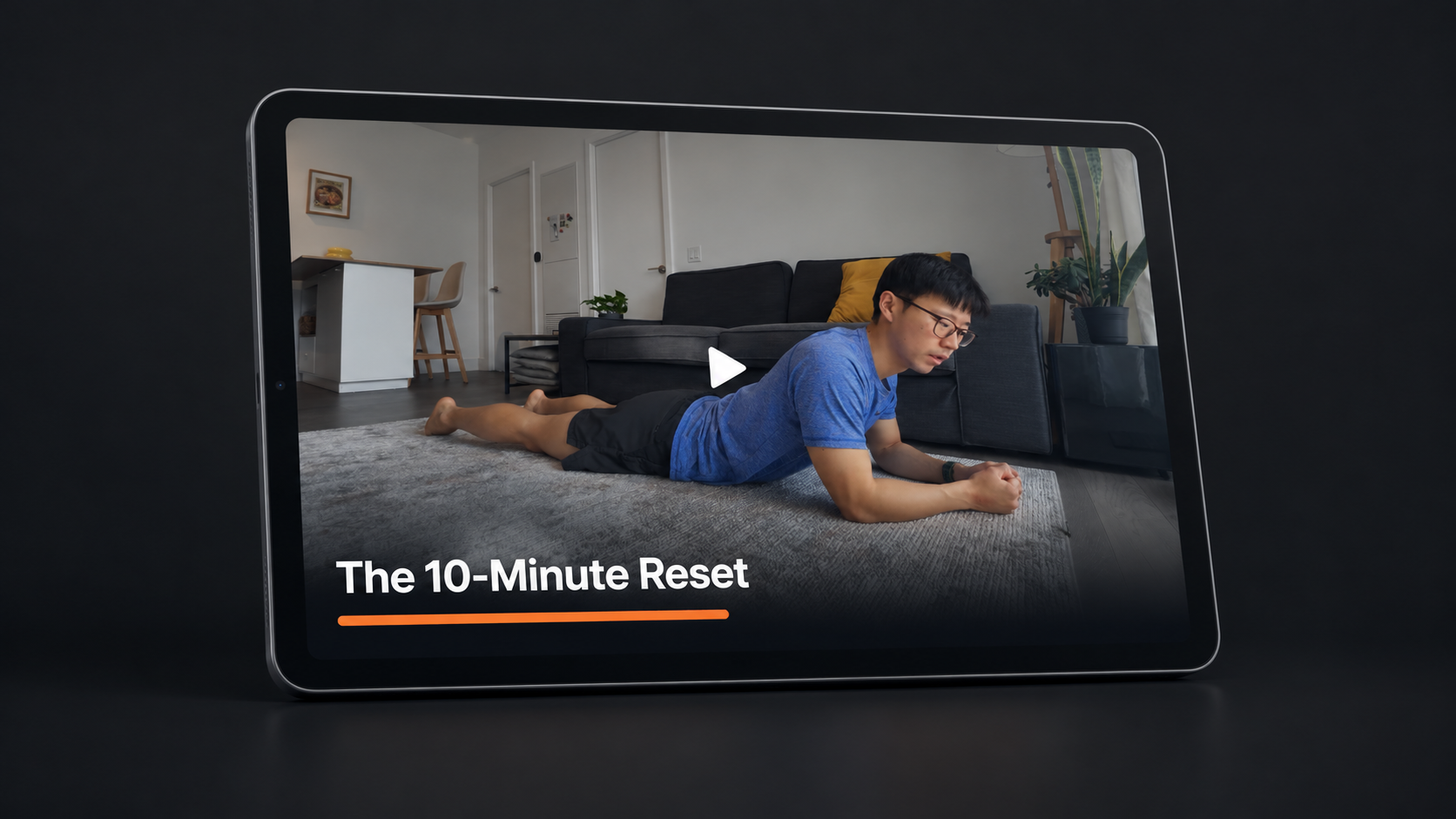
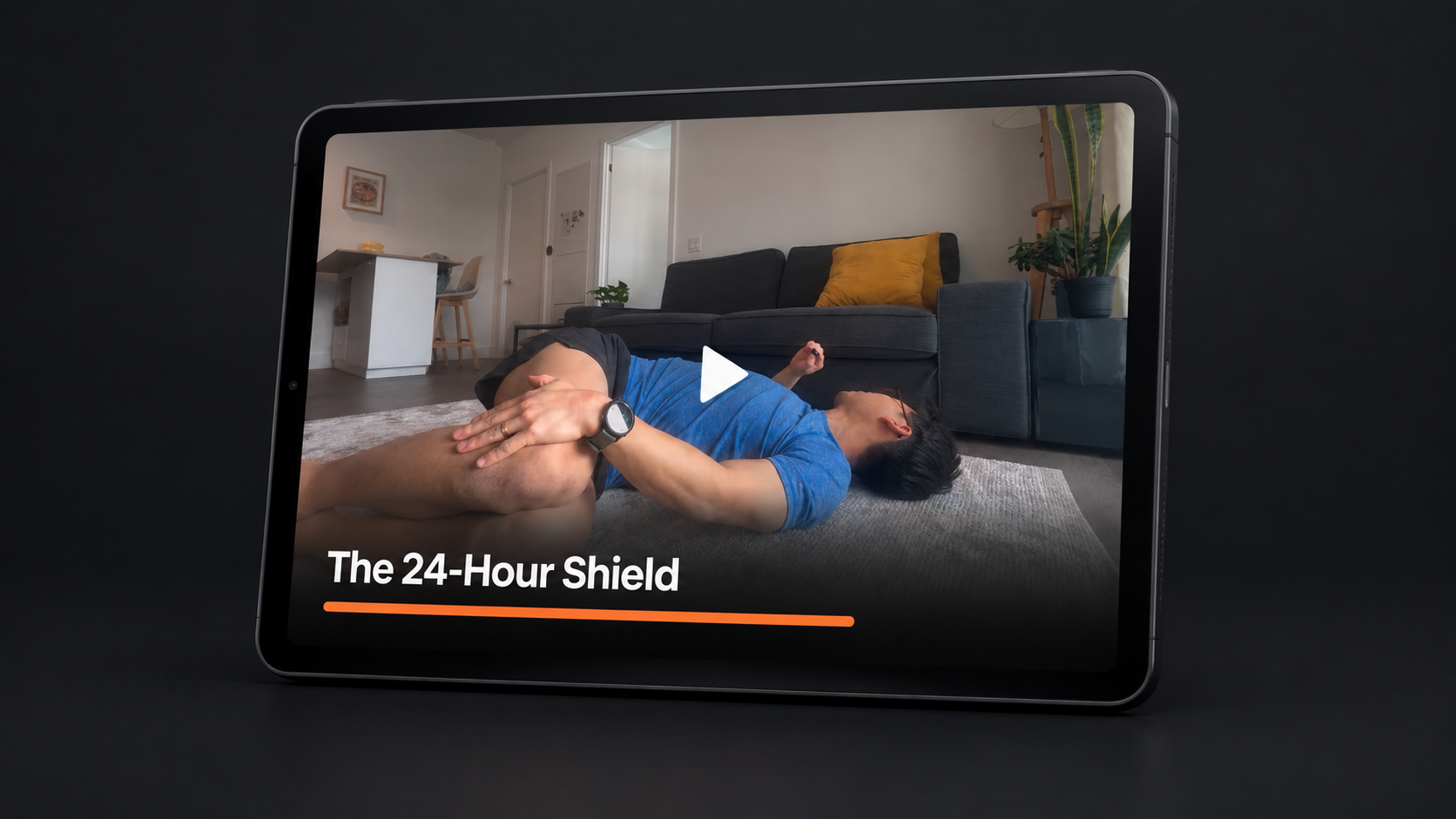
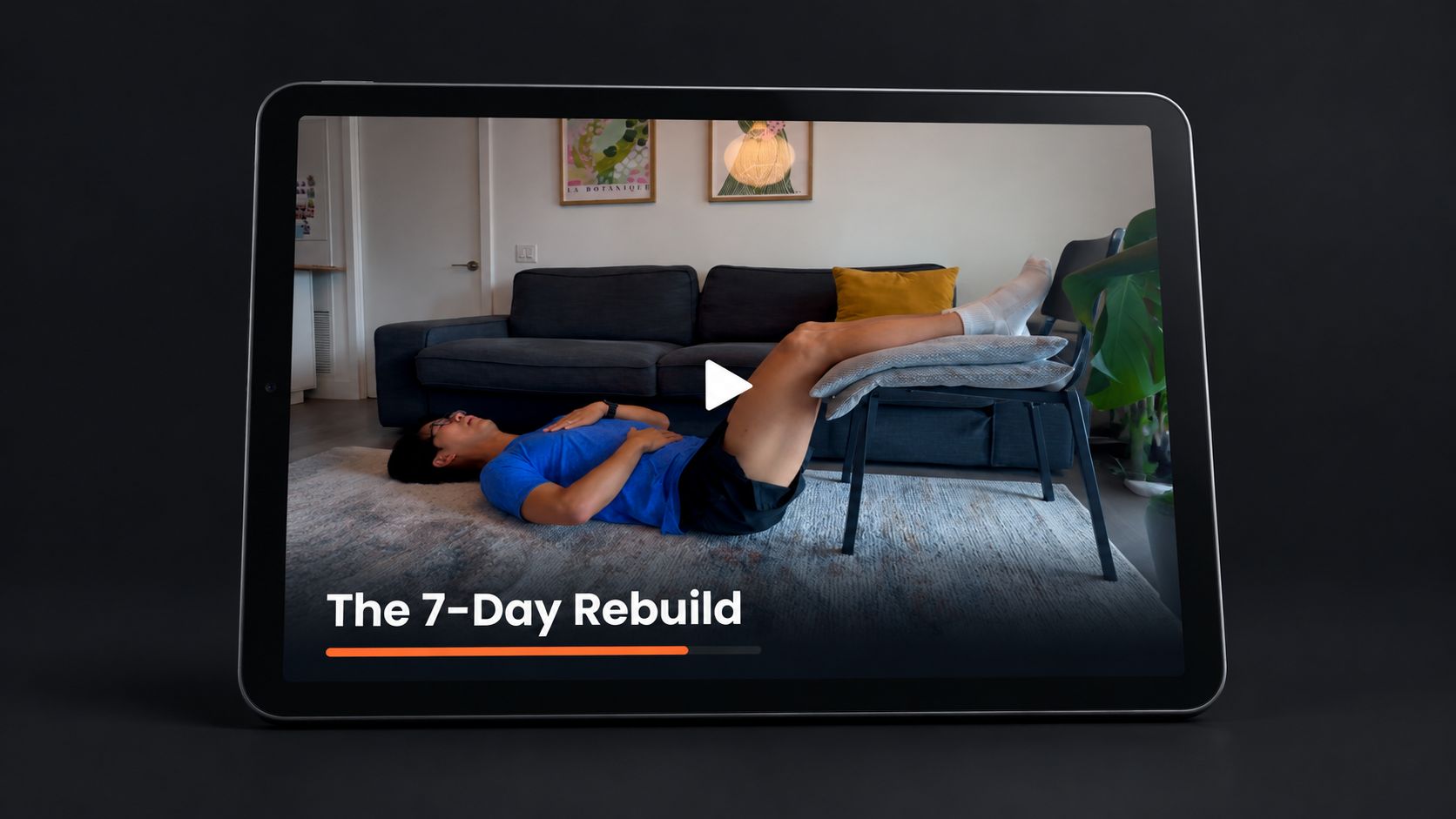
This isn't a course you sit through. It's 4 short videos plus a bonus video, under 20 minutes in total, that you follow along with on your phone (even lying on the floor), and it's one plan that works whether the pain is in your back, down your leg, or both.
- You'll know exactly what to do the second you feel that familiar twinge, instead of guessing
- You'll stop the everyday habits that keep a flare fired up, and know what to do instead
- You'll be able to sit, sleep and get out of bed with less strain on your back
- You'll have 4 simple exercises to start rebuilding once things settle
- You'll start each day knowing whether to build, hold or back off
- And the next time it flares, you'll have a plan instead of panic
Don't just take my word for it
Here's what my coaching clients tell me once they stop guessing and start following a plan.
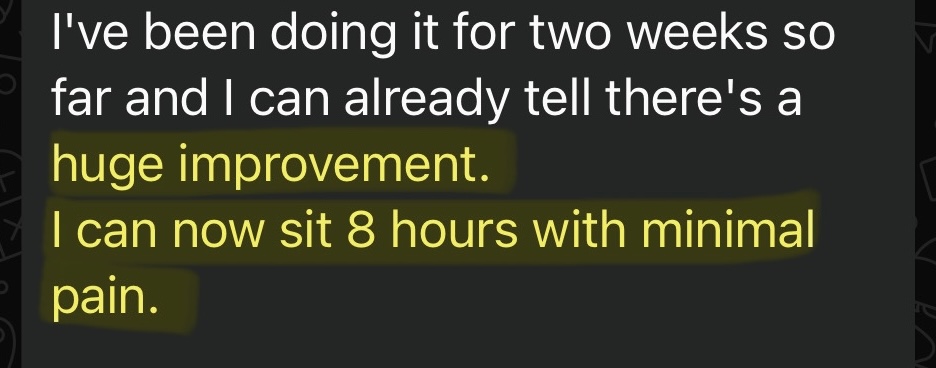
“I can sit now 8 hours with minimal pain”
“playing pickleball 3 times a week and moving well with no pain”

“the morning stiffness has been greatly greatly reduced”

“first time in months that I don’t experience sciatica pain, and lower back stiffness”

“I’m definitely seeing progress”

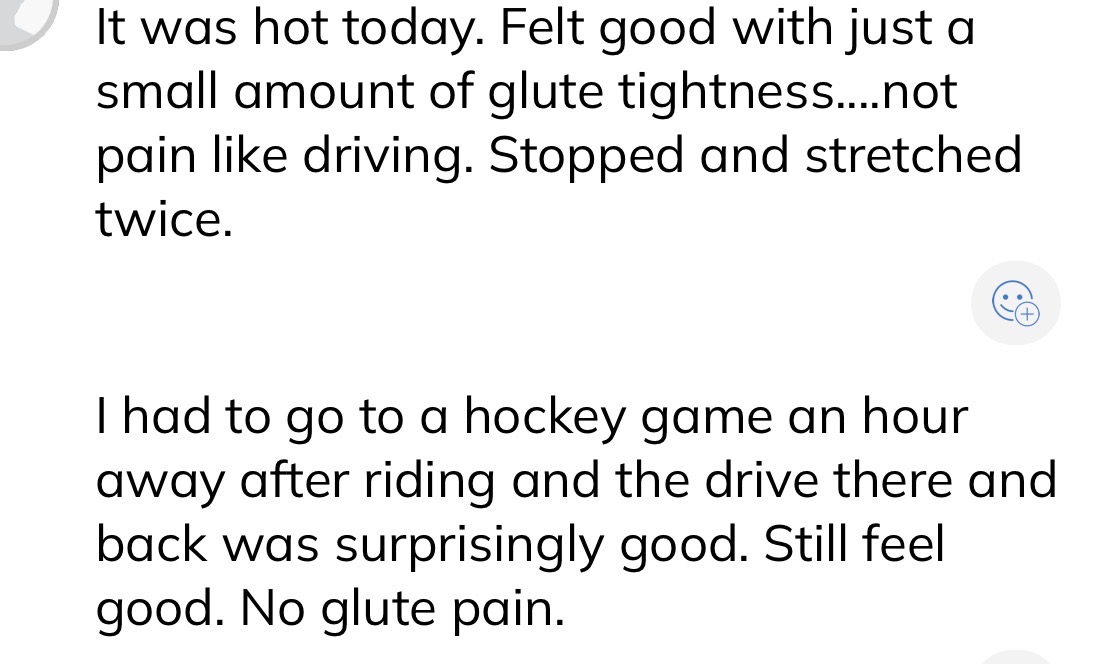
“back was surprisingly good. Still feel good.”
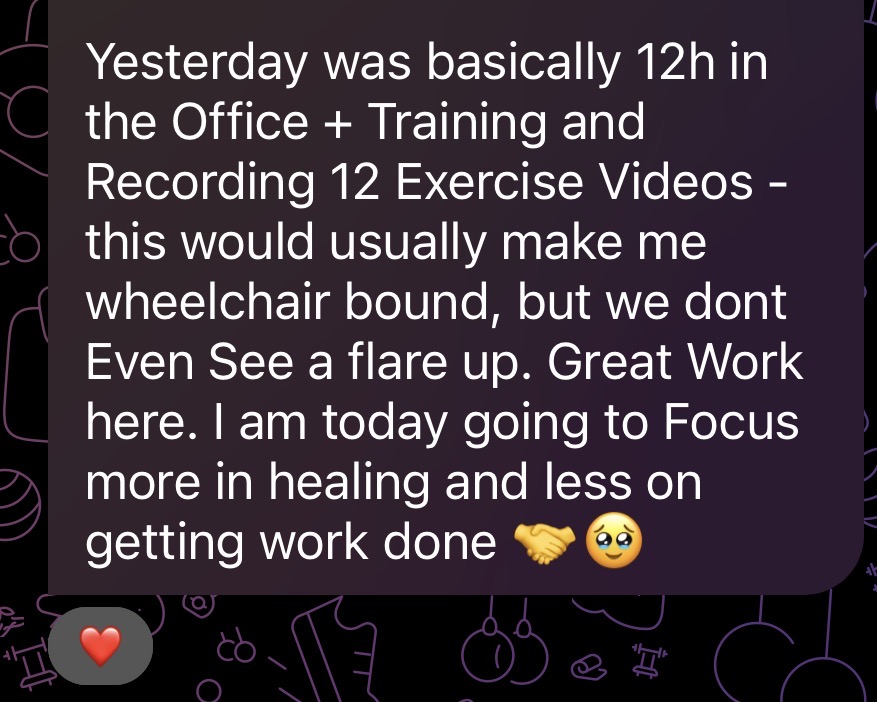
“this would usually make me wheelchair bound, but we don’t even see a flare up”
Picture your next flare going differently
Picture the next time you feel that twinge getting out of the car. Instead of panicking and wondering if this is the big one, you already know which position calms it down, you know what to avoid for the rest of the day, and you know how to build back up, so you're back to training sooner instead of losing another month.
That's what having a plan feels like, and it's what the Flare Up Fix gives you.
Why is this only $17?
Honestly, I'd rather have someone pay a small amount and actually do the work than hand out another free PDF that sits in a downloads folder. People who invest something follow through, and people who follow through get results.
And I'll be upfront with you: after checkout you'll see a couple of optional ways to go deeper, like a personal review of your Relief Direction. There's no pressure either way, and the plan works completely on its own.
Think about what one flare usually costs you.
One physio visit alone often costs $100 or more. One flare can mean a week or two out of the gym, a few rough days at work, and a handful of nights lying awake. The whole Flare Up Fix is $17, and it's the same process I walk my clients through in session.

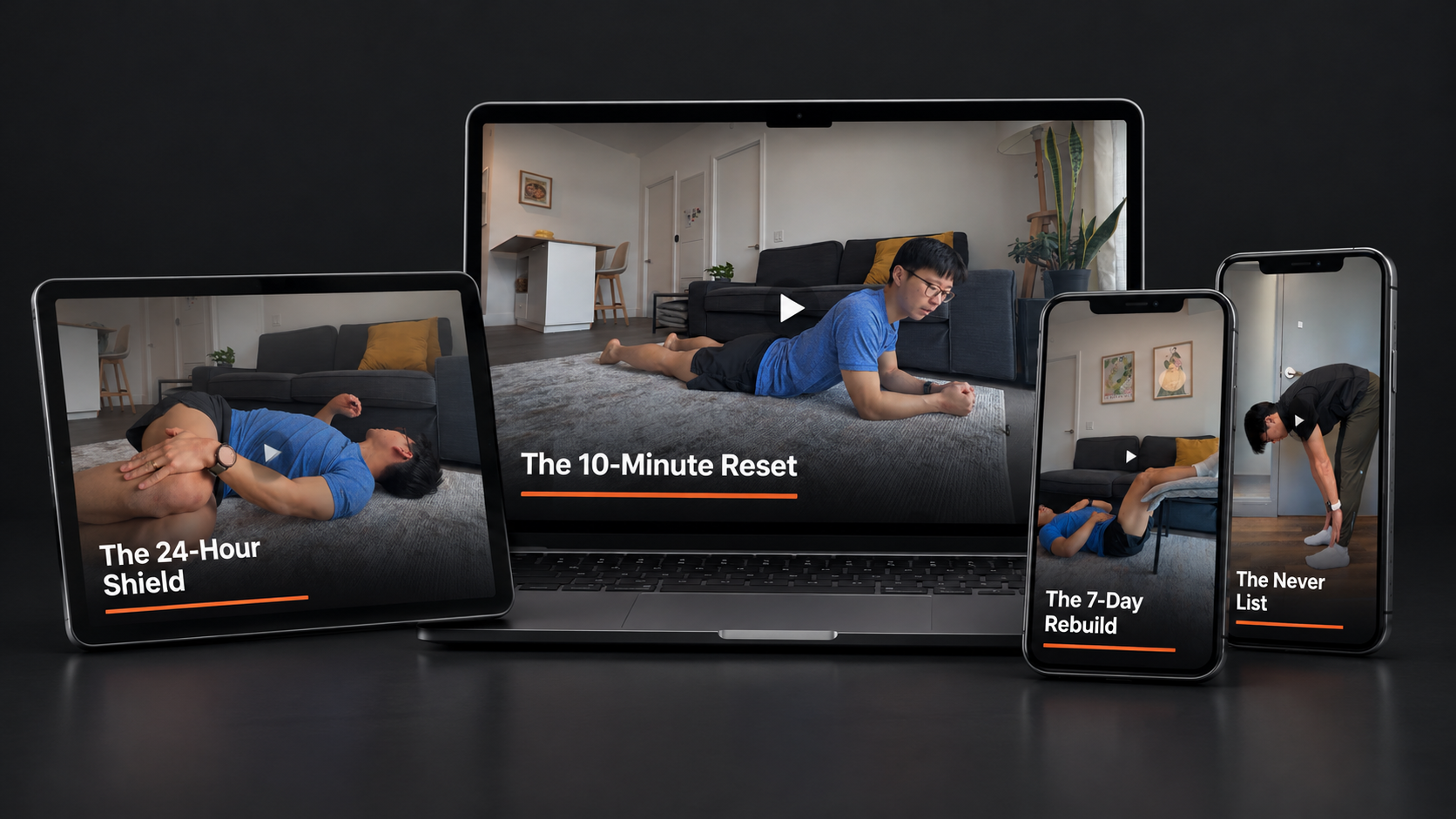
- The 10-Minute Reset: the position and routine that calm your back down when it locks up
- The 24-Hour Shield: how to get through today, sleep tonight and get out of bed tomorrow without setting it off again
- The 7-Day Rebuild: when to push, when to hold back, and how to start rebuilding
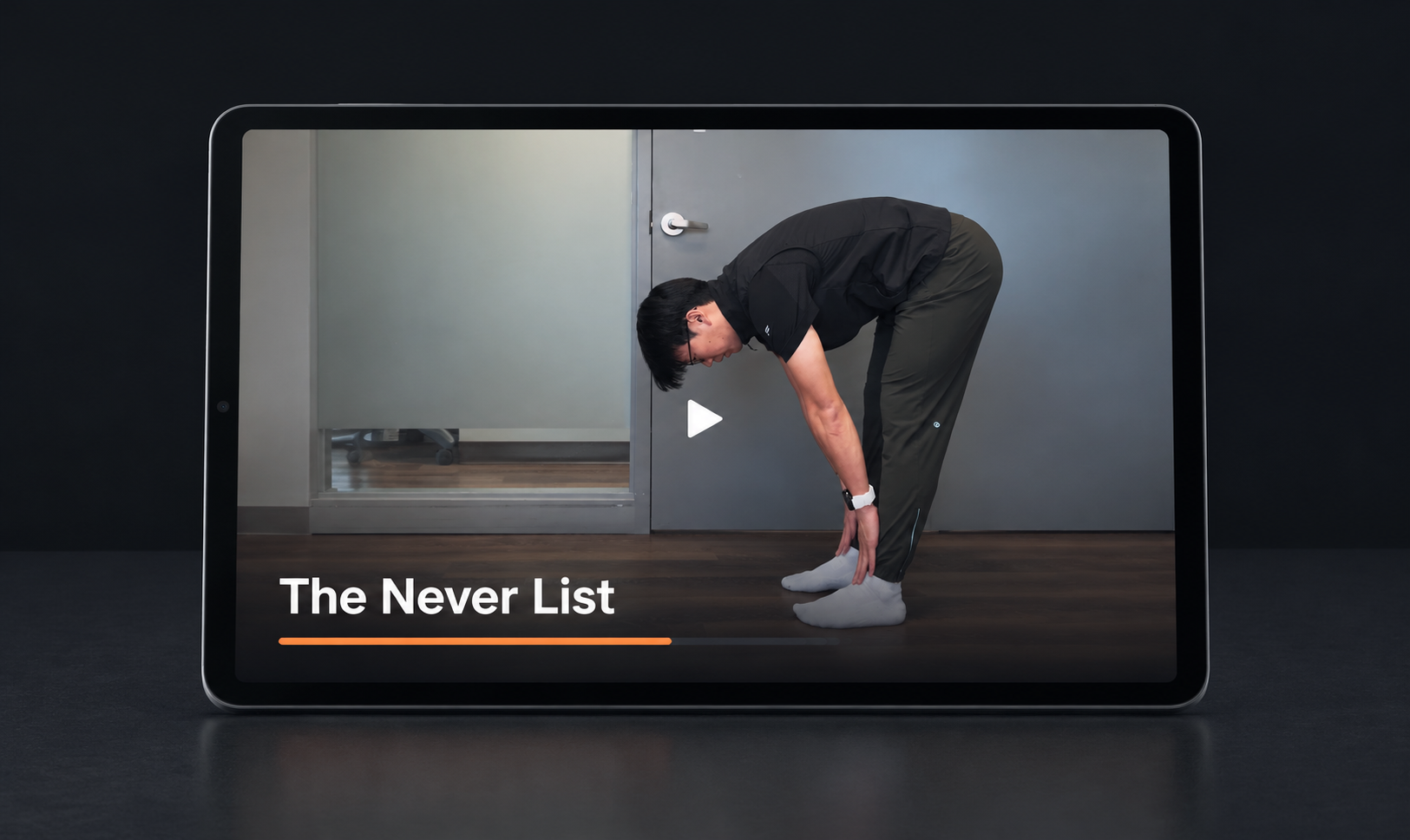
- The Never List: the 10 habits quietly keeping your flare alive
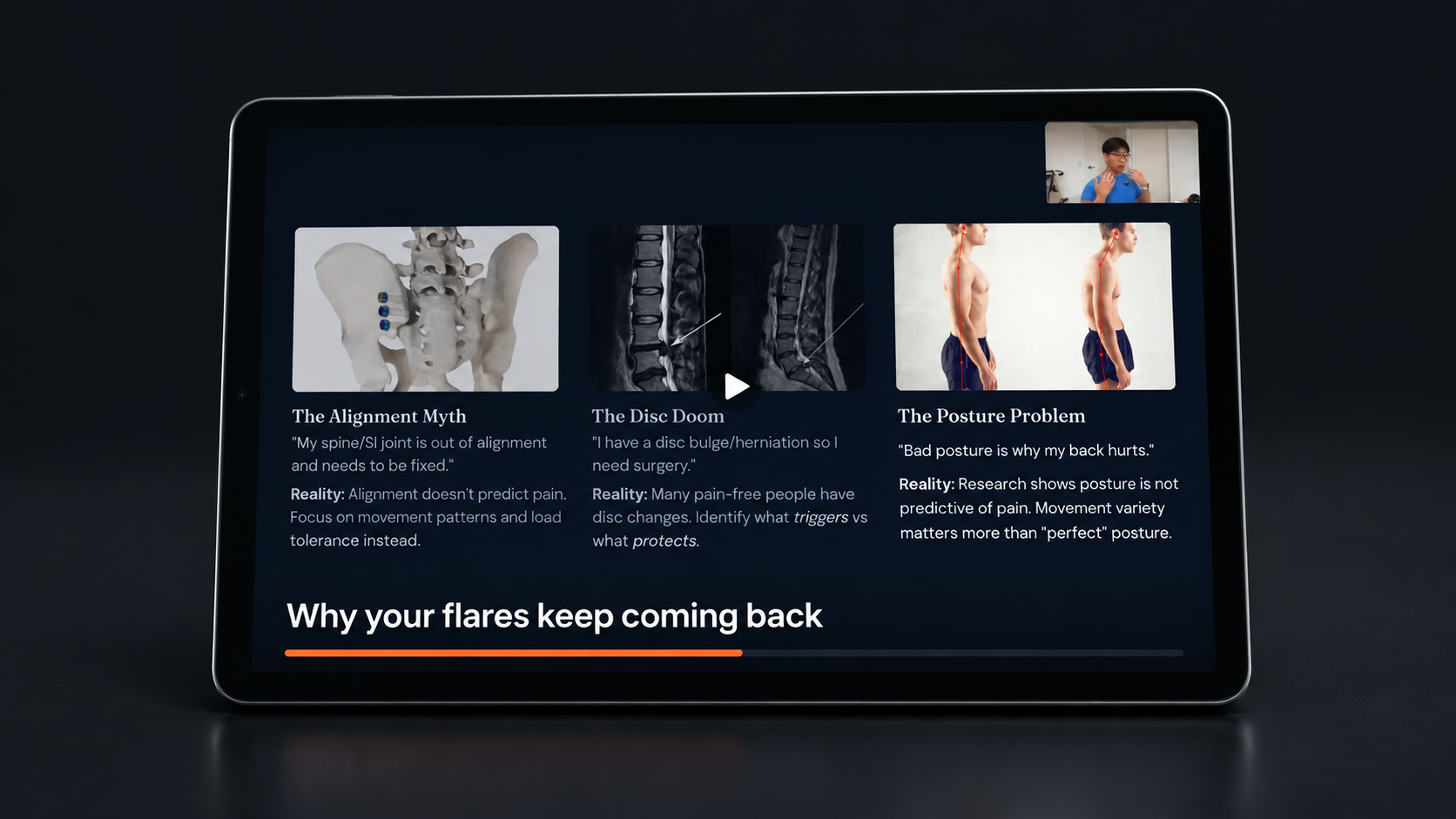
- Bonus video: Why your flares keep coming back, so you can get ahead of the next one
Questions
Is this for me?
It's built for active adults who've had back pain or sciatica for months or years and keep getting flare-ups. If your pain is brand new (the last few weeks), it's severe and getting worse, and you haven't had it checked out yet, get assessed first.
What if my pain is something serious?
That's exactly why the very first video starts with a quick safety check, so you know right away whether this is something to manage at home or something to get checked today, and Video 3 covers the signs it's time to book an assessment. Most flares settle with the right plan, and you won't be left guessing about when to get help.
I'm in a flare right now. Can I start today?
Yes, that's exactly what it's built for. Video 1 is the 10-Minute Reset, so you can follow along on the floor (or a firm bed) and start calming things down within minutes of checking out.
My pain goes down my leg. Will this still work?
Yes. The Flare Up Fix is one plan for back pain, sciatica or both, and wherever the steps are different for leg pain, I show you exactly what to do instead.
Can I still train during a flare?
Not the heavy stuff for the first week, so skip deadlifts and heavy lifting for at least 5 to 7 days. Your plan gives you 4 simple stability exercises to start rebuilding once things settle, and getting back to running, squatting or deadlifting is the next stage once things settle.
Do I need any equipment?
No. A floor or firm bed, a chair or couch, a couple of pillows and a rolled-up towel are all you need, and a lumbar roll is a nice extra if you sit a lot.
How do I get access?
Right after checkout, your videos are waiting for you on the next page and in your email. No app and no login needed.
What if this doesn't work for me?
You're covered by the Calmer Back 30-Day Promise. If it's not for you, just email me within 30 days and I'll refund every cent.
So, you've got two options.
Keep guessing and hope this flare goes better than the last one, or spend the next 10 minutes finding the routine that actually calms your back down. The best time to have this plan is before your next flare, not in the middle of it at 2 a.m.
Talk soon,
Caleb